




Psychology, technology, and contemporary life: practices, challenges, and creation
The II International Congress of Psychological Practices and Research & XVI Psychology Week, under the theme“Psychology, technology, and contemporary life: practices, challenges, and creation”, aims to serve as a space for meeting, reflection, and collective production regarding the ways in which technological transformations have been intersecting with subjective experience, professional practices, and the fields of activity in Psychology. Rather than viewing technology as an external object or a neutral tool, the goal is to examine it as a constitutive dimension of contemporary life that reconfigures time, bonds, forms of suffering, and possibilities for care.
The Congress is thus guided by a commitment: that psychological practices, in their diversity, are called upon not only to respond to the effects of these transformations, but also to invent modes of intervention that critically articulate technique, ethics, and creation. In this sense, the event serves as a platform for the circulation of experiences and the production of knowledge, bringing together researchers, professionals, and students interested in sharing investigations, practices, and reflections that question both the impacts and the potential of technologies in contemporary life.
The event will take place from August 24 to 27, 2026, at the Faculdade Ciências Médicas de Minas Gerais, and will feature the participation of national and international guests with renowned academic and professional careers. We invite psychologists, researchers, students, and all other interested individuals to participate in this Congress, sharing experiences, research, and practices that, situated at the interface between Psychology and technology, seek to respond in an ethical, critical, and inventive manner to the complexities of the present.
As part of the program, the I Alumni Meeting of the Psychology Course of Study will be held on August 25, 2026, celebrating professional careers and strengthening the bonds between different generations of psychologists who graduated from the institution.

Program
DAY 08/24
Congress
-
6:00 PM - 7:00 PM
Registration
-
7:00 PM - 7:20 PM
Opening Ceremony with Officials
-
7:20 PM - 8:40 PM
Theater Show:
Velocidade (Quatroloscinco)
This play seeks to reflect on our conflictual relationship with time and the speed of things, of events, of life. In an increasingly utilitarian, consumerist, and hyperconnected world, where distances, durations, memories, and relationships are reduced and virtualized, “Velocidade” presents itself as a manifesto against haste and urgency.
-
8:40 PM - 10:00 PM
Discussion about the show
João Guilherme de Figueiredo Campos
Igor Campos VianaModerated by: Profa. Ana Cristina Gusmão
DAY 08/25
Congress
Audience: students and alumni of Psychology FCM-MG
-
4:30 PM - 6:00 PM
Registration
-
6:00 PM - 8:40 PM
From education to the (re)invention of practice: trajectories and challenges in contemporary life
What possibilities open up when education meets the challenges of professional practice and the transformations of contemporary life? In this panel, alumni of the Psychology program share their trajectories and experiences, reflecting on the different scopes of their education, the changes affecting their fields of practice, and the flexibility needed in the face of new contexts, demands, and ways of practicing the profession. An encounter to reflect on how different career paths expand possibilities and call for the (re)invention of practice.
Palestrantes:
Elieth Fátima de Carvalho Santiago
Elizabeth Rodrigues Freire
Kelison Gomes Borges Silva
Rayan Felipe Nascimento PaivaModerated by: Prof. Mariana Braga Fialho
Exclusive to Alumini. -
7:00 PM - 8:40 PM
-
9:00 PM - 10:00 PM
Conferência
Technology in high-performance sports: between enhancing performance and capturing the human experience
Moderated by: Marisa Lúcia de Mello Santiago
Exclusive to students and alumni of Psychology FCM-MG
DAY 08/26
Congress
-
3:00 PM
Registration
-
3:00 PM - 6:00 PM
Oral Presentations in Working Groups
More information click here -
7:00 PM - 8:00 PM
Conference
The decline of grand narratives and the disorientation of the contemporary subject
This work aims to explore a few coordinates that allow us to consider the current state of the social bond in light of technoscientific advancements and the forms of suffering that stem from them. The former poles of attraction — grand narratives, nation-states, family, and religion — which used to serve as anchors for the subject and offered guidance within the web of social relations, are now seriously deteriorated. Their place has been progressively occupied by the mechanisms of the consumer society and their technological correlates. In view of this outlook, this work proposes a reading of Lacanian psychoanalysis as a possible response to contemporary forms of malaise..
Prof. Marco Ruben Alfieri
Moderated by: Prof. Paula Ramos Pimenta
-
8:00 PM - 10:00 PM
Panel 1
When gambling is not just a game: online betting and the production of suffering
The panel proposes to analyze the phenomenon of online betting beyond mere entertainment, discussing its impacts on the production of psychological suffering and contemporary social dynamics. It will address aspects such as addiction, debt, subjective vulnerabilities, and the engagement strategies used by digital platforms. The activity seeks to problematize the boundaries between leisure and risk, contributing to the development of care, prevention, and intervention practices in the field of mental health.
Julia Machado Khoury
Tiago Geraldo de AzevedoModerated by: Prof. João Henrique de Sousa Santos
DAY 08/27
Congress
-
6:30 PM
Registration
-
6:30 PM - 7:00 PM
CAPsiVam Artistic Expression Contest
-
7:00 PM - 7:45 PM
Cocktail
-
7:45 PM - 9:30 PM
Panel 2
Psychopathology of contemporary life
The panel proposes an analysis of psychopathology in contemporary times, considering the social, technological, and cultural transformations that impact the constitution of subjectivity and the forms of psychological suffering. It is based on the understanding that modes of illness cannot be dissociated from historical contexts and living conditions, problematizing exclusively individualizing readings. The activity seeks to expand the possibilities of understanding and intervention in the field of mental health, articulating different theoretical and practical perspectives in the face of current challenges
Emanuel Meireles Vieira
Marco Antônio do Santos CasanovaModerated by: Prof. Elizabeth Avelino Rabelo
-
9:45 PM
Awards for the best papers presented
CAPsiVam Award Ceremony for the Artistic Expression Contest
SHORT COURSES
-
Short Course 1 - eSports
Led by: Rafael Soares Mariano Costa
Psychological aspects of eSports. Emotional, social, and cognitive demands of competitive performance. Anxiety, stress, and burnout in players. Problematic gaming. Practical strategies for emotional regulation and mental health promotion.
Link para inscrição: Minicurso eSports - Rafael Soares em Belo Horizonte - Sympla -
Short Course 2 - Screens and Human Development
Led by: Profa. Dra. Thais Dell’Oro de Oliveira (FCM-MG)
Reflection on the impacts of screen use on developmental processes, considering cognitive, emotional, and relational aspects.
Link para inscrição: Minicurso Telas e desenvolvimento - Thaís Dell’Oro em Belo Horizonte - Sympla -
Short Course 3 - Social Media and Subjectivities
Led by: Prof. Me Rogério Felipe Santos Teixeira (FCM-MG)
Discussion on how social media participates in the production of subjectivities in contemporary times, crossing modes of being, relating, and perceiving oneself. Analysis of dynamics such as exposure, comparison, performativity, and recognition.
Minicurso Redes Sociais e Subjetividades - Rogério Felipe em Belo Horizonte - Sympla -
Short Course 4 - Dating apps and romantic arrangements
Led by: Prof. Marina de Araújo Ferreira Ladeira (Consultório)
Discussion on the impasses experienced by users of dating apps. To analyze how the use of these apparatuses can strengthen the dimension of malaise and explore the tension points they introduce into social and romantic bonds.
Link para inscrição: Minicurso Aplicativos de Relacionamento e Arranjos Amorosos - Marina Ladeira em Belo Horizonte - Sympla -
Short Course 5 - Algorithmic racism and other intersectional oppressions in generative AI image models
Led by: Amanda Maria de Sobral Gomes
Discussion on the gender and racial biases present in algorithms and artificial intelligence systems, analyzing their ethical, social, and political impacts, as well as the challenges in building more just and inclusive technologies.
Link para inscrição: Minicurso Racismo algorítmico e outras opressões interseccionais em IAs generativas - Amanda Gomes em Belo Horizonte - Sympla
WORKING GROUPS
WG 1 - Clinical Practice, Illness, and Digital Technologies
This WG welcomes submissions investigating the effects of digital technologies on the constitution of subjectivity and clinical practices. It is interested in themes such as psychological distress mediated by social media, online therapy, new forms of therapeutic bonding, as well as the ethical challenges involved in clinical practice within digital environments.
WG 2 - Psychology, Work, and Digital Platforms
This WG includes papers that analyze different uses and conceptions of technologies in public and private services, considering digital and informational technologies as well as social technologies and technologies of care. It is interested in research and experiences related to tele-delivery of services (telehealth), electronic health records, data management, and their effects on work organization, access to services, and the production of care. It also welcomes studies on soft technologies and relational strategies developed in different contexts, including reception and welcoming practices, building bonds, social participation, networking, and other forms of care and the guarantee of rights.
WG 3 - Technologies, Public Policies, and the Production of Care
This WG brings together papers that analyze the insertion of technologies into public policies, especially in the field of mental health and the SUS (Unified Health System). It is interested in experiences with tele-delivery of services (telehealth), electronic health records, data management, as well as the effects of these technologies on the organization of care and access to services.
Speakers
-
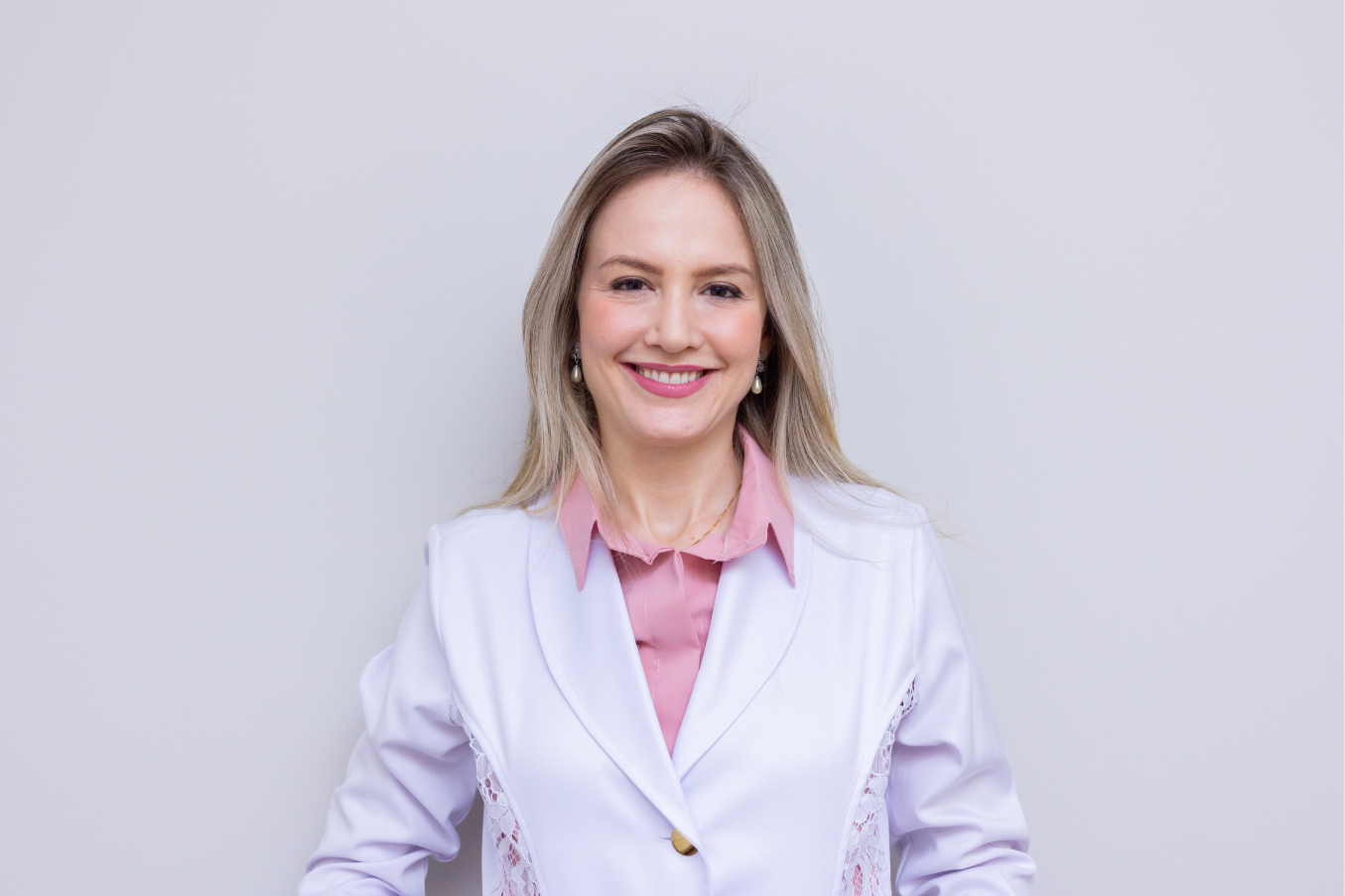
Julia Machado Khoury
PhD and Master’s degree in Technological Addictions from UFMG; psychiatrist trained at HC-UFMG; physician graduated from UFMG; full member of the Brazilian Psychiatric Association (ABP); researcher in the field of chemical and behavioral addictions; practicing clinical psychiatrist.
-
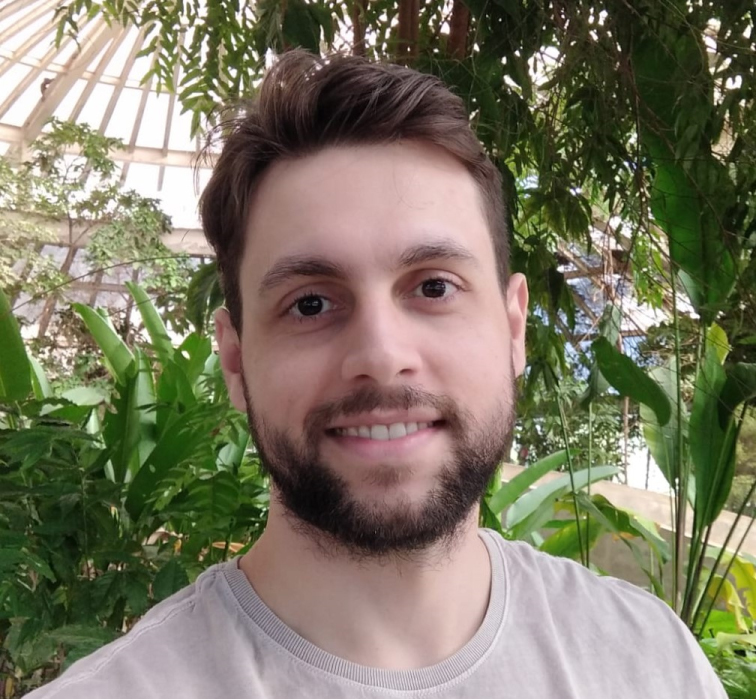
Tiago Geraldo de Azevedo
Psychologist. Master’s degree in Psychology from the Federal University of São João del-Rei (UFSJ). Currently a PhD candidate in Psychology at UFSJ, with a visiting research period (sandwich PhD) at the University of Porto. Conducts research in psychometrics, mental health, cyberpsychology, and psychological interventions. Has experience in psychotherapy and data analysis.
-
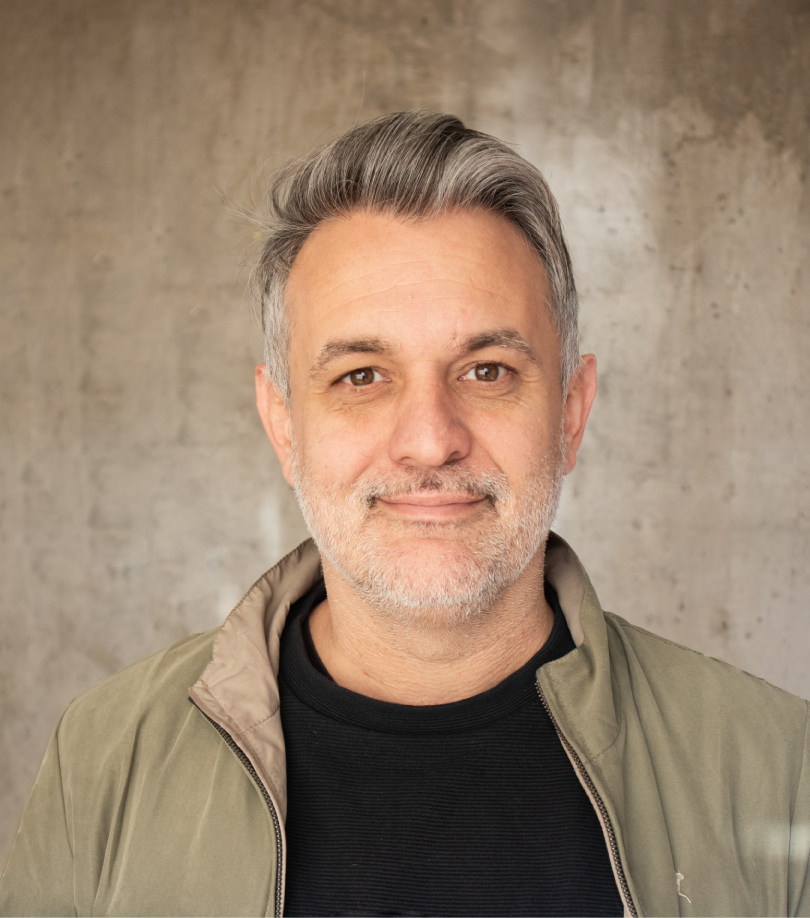
Marco Rubén Alfieri
Marco Rubén Alfieri is a psychologist, holding a Master’s degree in Lacanian Psychoanalytic Theory and currently a PhD candidate in Psychology at the National University of Córdoba (Argentina). He serves as Assistant Professor of the Psychopathology I Chair and Assistant Secretary of International Relations at the UNC Faculty of Psychology. His research focuses on psychopathology, Lacanian-orientated psychoanalysis, biopolitics, contemporary discourses, and their clinical implications. He has experience in university teaching, clinical supervision, and professional training, in addition to participating in research and community extension projects. He is the author of scientific articles and a speaker at national and international events on psychoanalysis, psychopathology, and mental health.
-
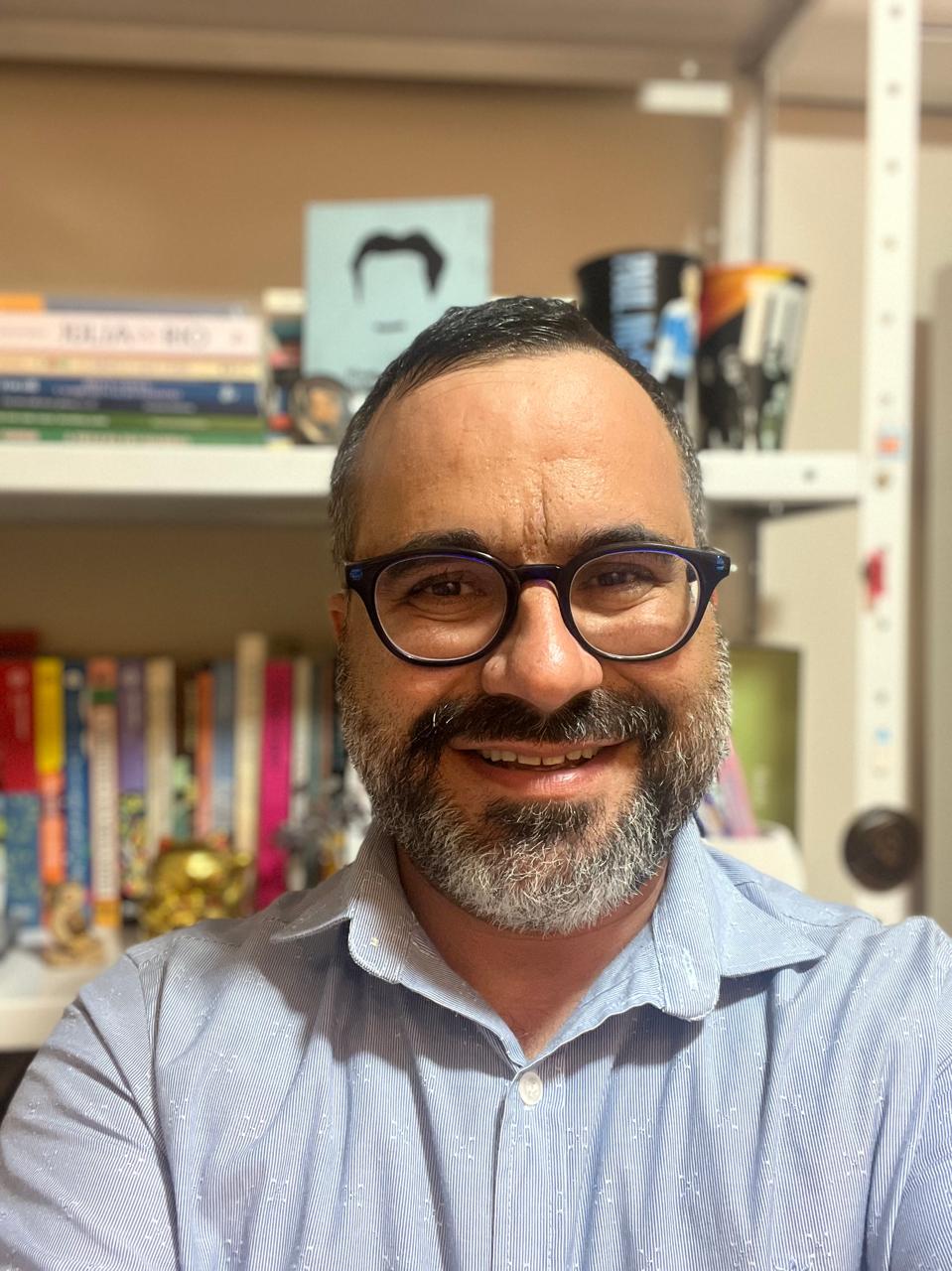
Emanuel Meireles Vieira
PhD in Psychology from the Federal University of Minas Gerais (UFMG). Professor in the Department of Psychology and the Graduate Program in Psychology at the Federal University of Ceará (UFC). Conducts research on the relationships between ethics and Clinical Psychology, specifically from the theoretical perspective of the Person-Centered Approach (PCA).
-
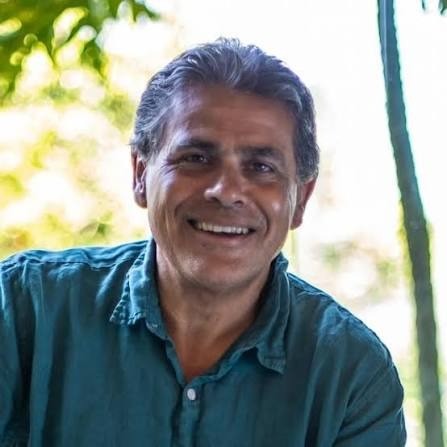
Marco Antônio do Santos Casanova
PhD in Philosophy from UFRJ / University of Tübingen; Postdoctoral research at the University of Freiburg (2006–2008) and Augustana Hochschule Neuendettelsau (2023–2024); Full Professor in the Department of Philosophy at UERJ. Author of O instante extraordinário: Vida, história e valor na obra de Friedrich Nietzsche (2003), Nada a caminho: Impessoalidade, niilismo e técnica no pensamento de Martin Heidegger (2006), Compreender Heidegger (2009), A eternidade frágil: Ensaio sobre temporalidade na arte (2013), A falta que Marx nos faz (2017), Mundo e historicidade I (2017), II (2020), and III (2023), Tédio e tempo (2020), A persistência da burrice (2020), and Existência e transitoriedade (2021). Translator of a wide range of works by German thinkers, including Martin Heidegger, Max Scheler, Friedrich Nietzsche, and Wilhelm Dilthey, among others.
-
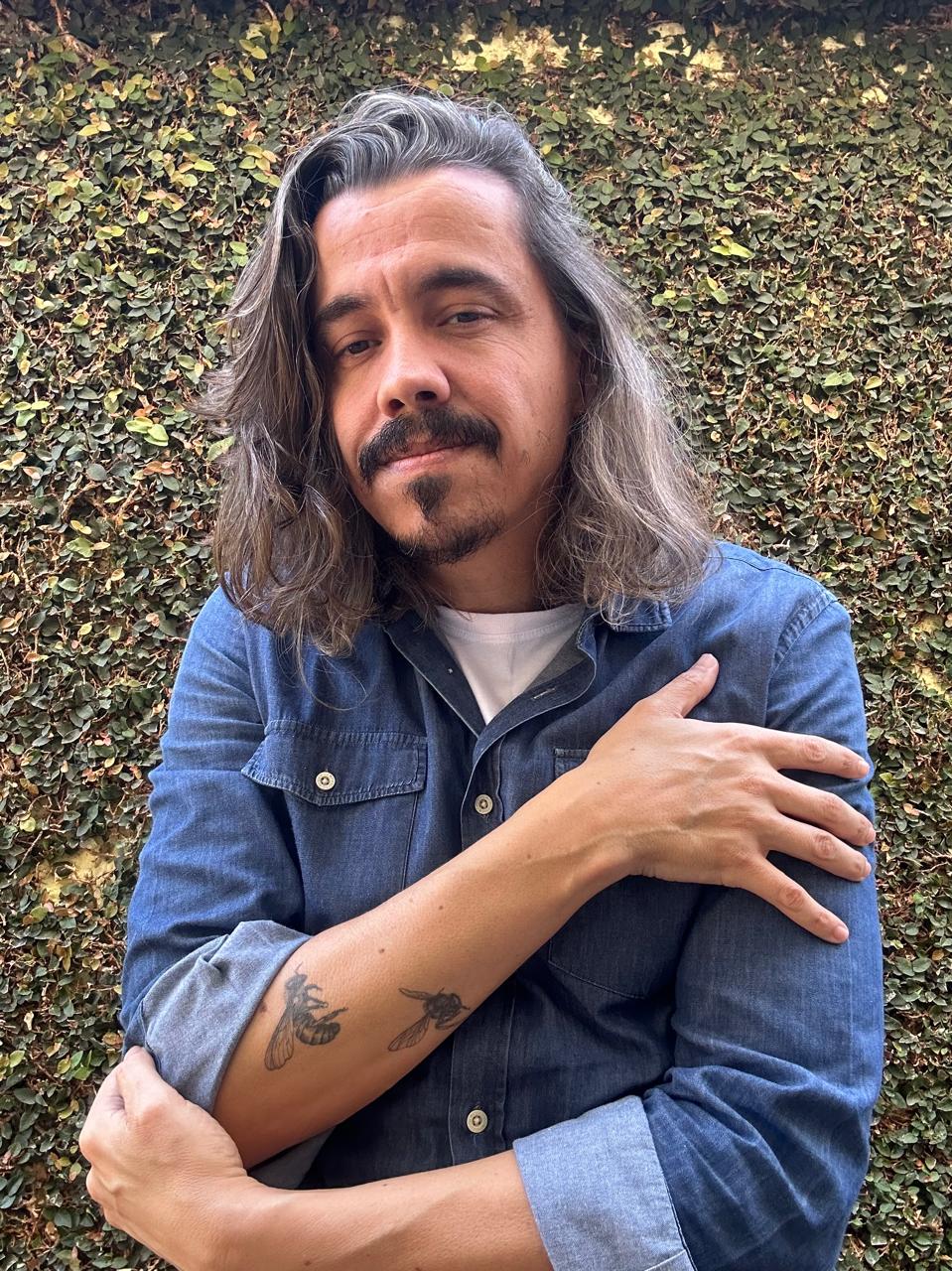
Rogério Felipe Santos Teixeira
Psychologist (PUC Minas), Master’s degree in Social Psychology (UERJ), and Schizodramatist (IGB). Professor in the Psychology program at theFaculdade Ciências Médicas de Minas Gerais (FCM-MG) and in postgraduate courses. Member of the Instituto Gregorio Baremblitt (IGB) collective. Also works as a psychotherapist, facilitates schizodramas, and carries out interventions across clinical settings, street corners, sounds, and letters in general, drawing on Schizoanalysis, Institutional Analysis, and Schizodrama.
-
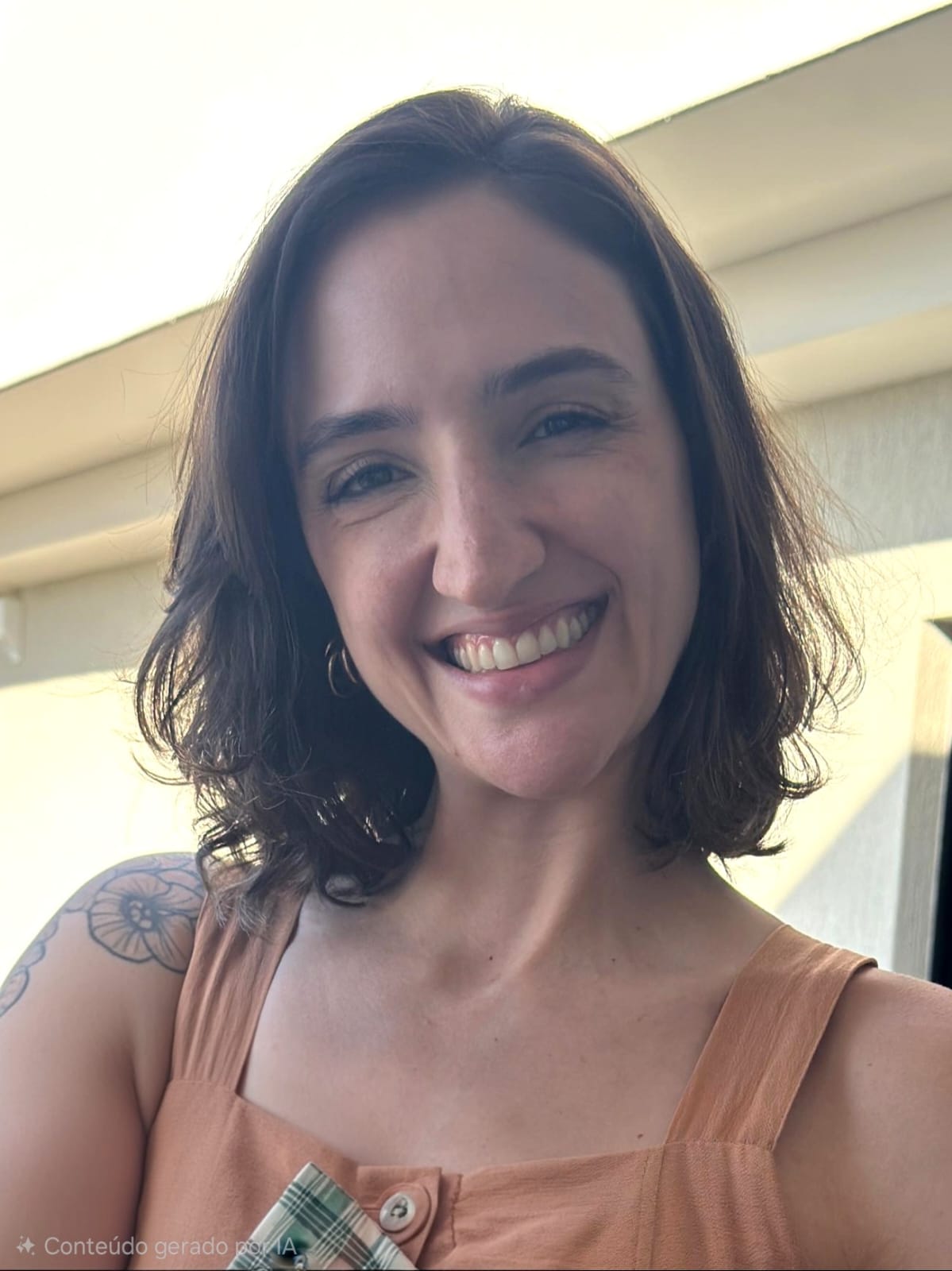
Thaís Dell’Oro de Oliveira
PhD in Molecular Medicine from UFMG. Currently an Undergraduate Professor at FCMMG. Conducts research and studies in Developmental Psychology, Neuropsychology, and Parenting Styles. Has experience in neuropsychological assessment, Cognitive Behavioral Therapy (CBT) interventions with children and adolescents, and Parent Training.
-
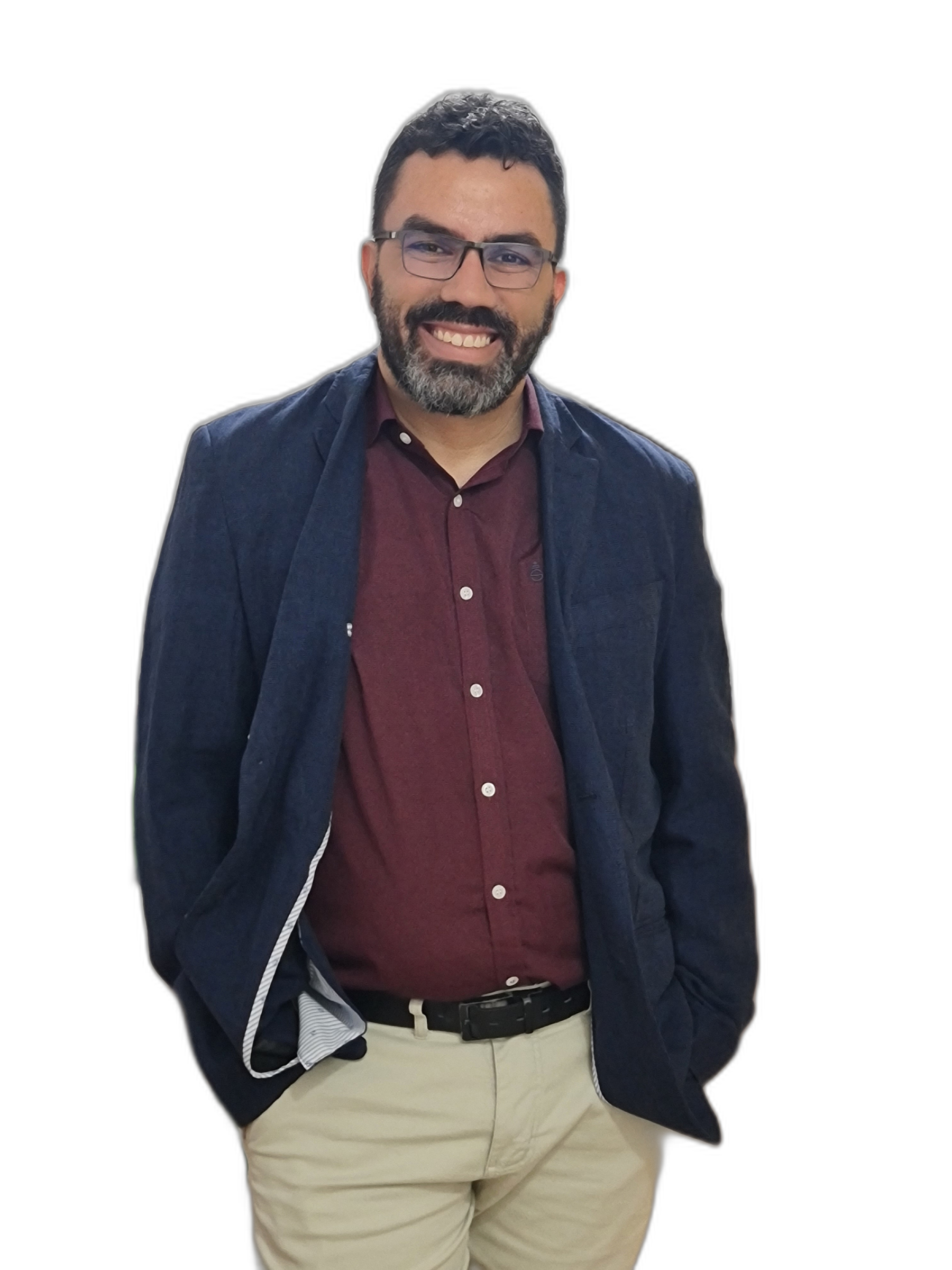
Rafael Soares Mariano Costa
Psychologist. PhD in Psychology from PUC Minas. Currently a professor at Anhanguera College. Conducts research and studies in the areas of labor, technology, and subjectivity. Has experience in computer-assisted research and the transformation of psychological practices through Artificial Intelligence.
-
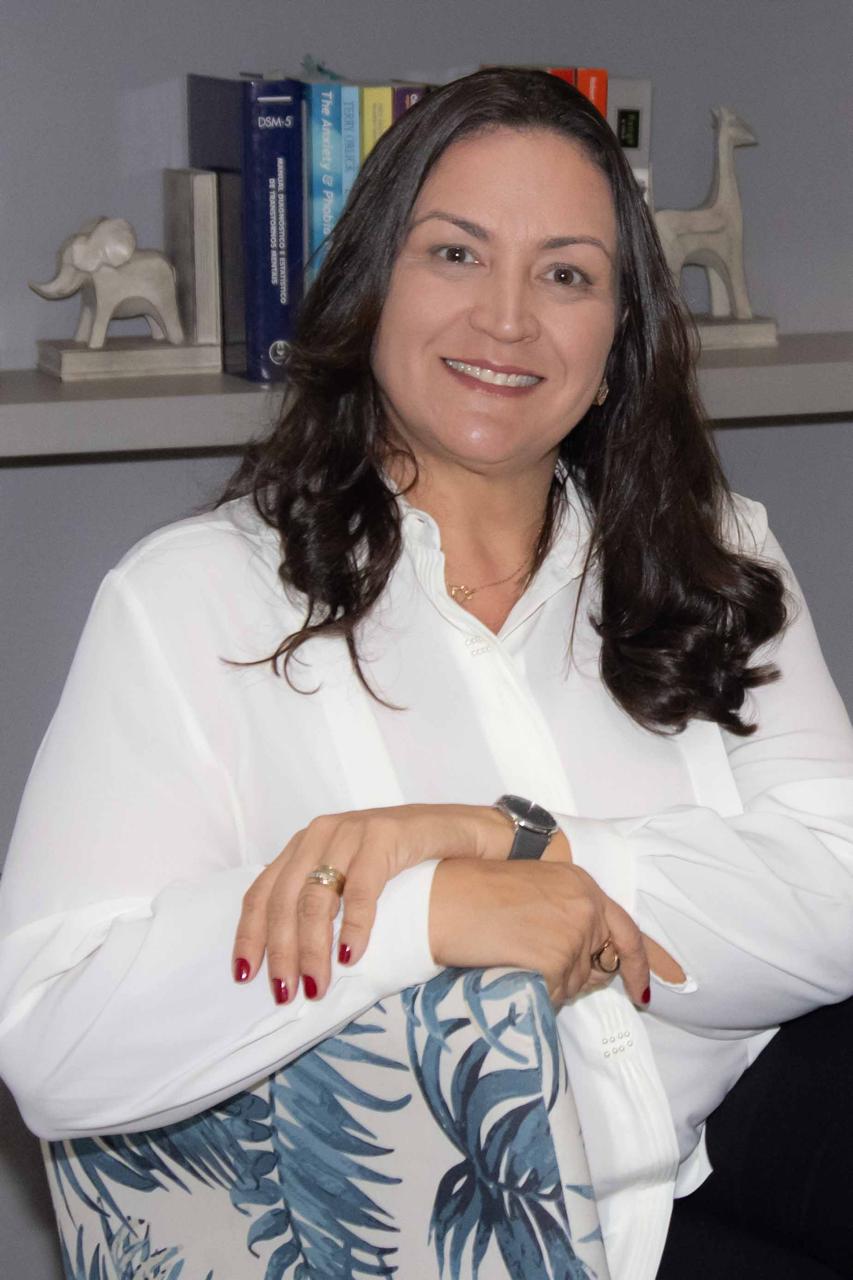
Marisa Lúcia de Mello Santiago
Psychologist for the Brazilian Men’s National Football Team (2024–present);
Psychologist at Grêmio Foot-Ball Porto Alegrense (2026–present);
Psychology Coordinator at Cruzeiro Esporte Clube (2025);
Sports Psychologist at Esporte Clube Bahia / City Football Group (2023–2025);
Sports Psychologist at Clube Atlético Mineiro (2019–2022);
Master&rsquos degree in Sport Sciences from UFMG (Specialization: Sport Psychology);
Specialist in Cognitive Behavioral Therapy from IWP (RS);
Certified Psychologist by the International Society of Sport Psychology (ISSP);
Psychologist at the Psiesporte Clinic, providing clinical services to athletes since 2008;
Head of Sport Psychology and Sports Psychologist at Minas Tênis Clube, working with athletes and coaching staff (2015–2019).
Professor at the Faculdade Ciências Médicas de Minas Gerais (FCMMG);
Professor at Pitágoras / UNIFACVEST College (2013–2015, 2022);
Professor at Arnaldo College (2022);
Professor at Gama Filho University / RJ (2010–2013);
Professor at Estácio de Sá University / SP (2014–2015). -

Amanda Maria de Sobral Gomes
Journalist, holding a Master’s degree and currently a PhD candidate in Social Communication from the Federal University of Minas Gerais (UFMG). Conducts research on intersectionality within gothic subculture and digital media, as well as algorithmic racism, with support from the National Council for Scientific and Technological Development (CNPq). Member of the Coragem-UFMG research group.
-

Marina de Araújo Ferreira Ladeira
Master’s degree in Psychology from UFMG. She is currently a psychoanalyst in private practice and a member of the research group Beyond the Screen: Psychoanalysis and Digital Culture (UFMG). She conducts studies and works in the fields of psychoanalysis, clinical practice, and digital culture. She has experience in clinical psychoanalysis.
-

Talita Vasconcelos Brandão
PhD candidate in Social Communication at the Graduate Program in Communication of the Federal University of Minas Gerais (UFMG), where she also earned her Master’s degree. She holds a Bachelor’s degree in Journalism from the State University of Minas Gerais (UEMG). She participates in the Center for Distance Education and Digital Education Studies (NEEDED), the Coragem Research Group on Communication, Race, and Gender (UFMG), and is a member of ReparAÇÃO: Intersectional Research and Studies Group on Communication, Power, and Resistance (UFMG). She serves as a tutor and teacher trainer for the "Afirmação na Pós" Pre-Academic Extension Course.
-
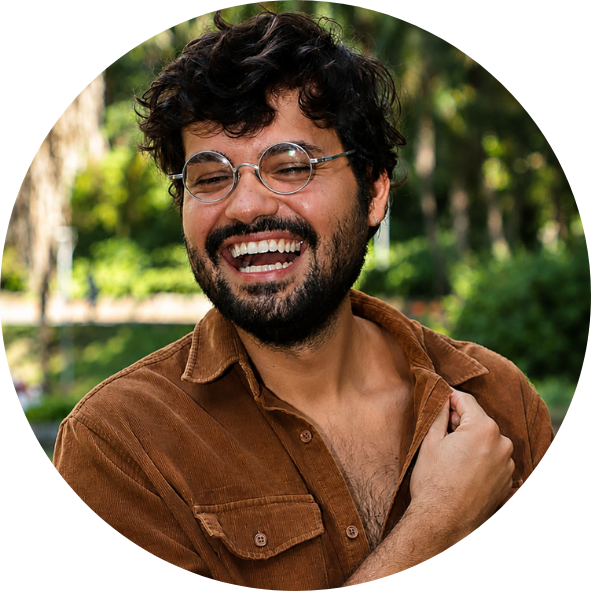
Igor Campos Viana
Psychoanalyst. University professor. PhD in Philosophy of Power from the UFMG Faculty of Law. Master’s degree in Law from UFMG. Bachelor’s degrees in Law and Psychology from UFMG. Creator and coordinator of A dobra: confluências e klínicas em esquizoanálise. Holds theatrical training from Galpão Cine Horto.
Committee
-
Alexandre Dutra Gomes da Cruz
-
Ângela Spesiali Aroeira
-
Bárbara Gonçalves Mendes
-
Elizabeth Avelino Rabelo
-
Isabella Cristina Barral Faria Lima
-
João Henrique de Sousa Santos
-
Rogério Felipe Santos Teixeira
-
Tatiane Dias Bacelar
-
Thaís Dell’Oro de Oliveira
Organizing Committee
-
Bárbara Gonçalves Mendes
-
Elizabeth Avelino Rabelo
-
Isabella Cristina Barral Faria Lima
-
João Henrique de Sousa Santos
-
Rogério Felipe Santos Teixeira
-
Thaís Dell’Oro de Oliveira